Critter Corner – Estuarine Crocodile
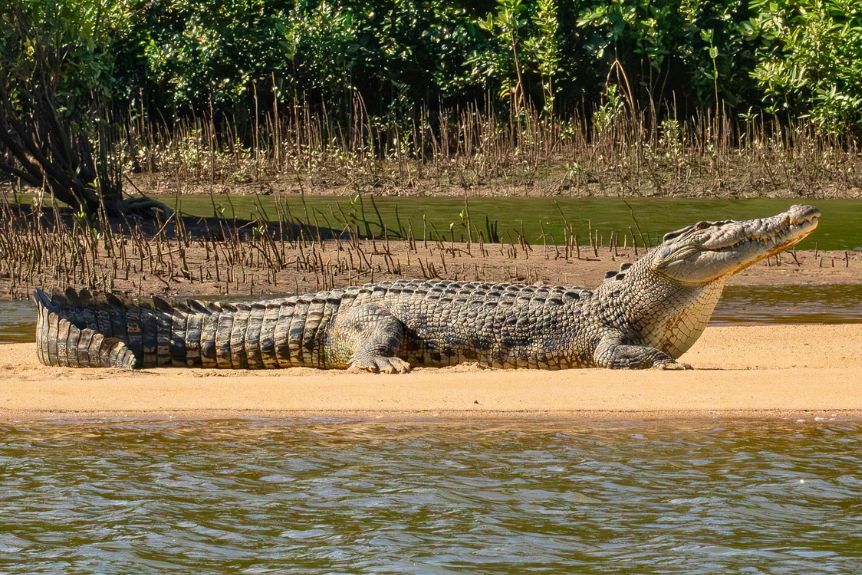
#CritterCorner – Imagine standing at the edge of a still, muddy river. The surface is calm, almost mirror-like… until you notice two eyes and a set of nostrils just breaking the waterline. Watching. Waiting.
The Estuarine Crocodile is one of Australia’s most iconic and misunderstood animals. Often feared, sometimes vilified, these ancient reptiles have earned a reputation that can overshadow the important role they play in the natural world.
Estuarine Crocodiles (Crocodylus porosus), often called “salties”, are the largest living reptiles on Earth. Adult males can grow over 5 metres in length, with immense strength and one of the most powerful bite forces of any animal. Perfectly adapted to life in the water, they have remained largely unchanged for millions of years.
Despite their name, these crocodiles are not limited to saltwater. They move between rivers, estuaries, wetlands and freshwater systems, sometimes travelling long distances between habitats. Across northern Australia, including the Wet Tropics, they are an important part of these interconnected ecosystems.
While their presence can feel intimidating, crocodiles play a crucial role in maintaining balance. As apex predators, they help regulate populations of fish, birds and other animals, preventing any one species from dominating. This supports the overall health of wetlands and waterways.
They also contribute in less visible ways. By moving through different habitats and feeding across a range of species, crocodiles help cycle nutrients through the environment. Like cassowaries in the rainforest, they are powerful ecosystem engineers, quietly shaping the landscapes they inhabit.
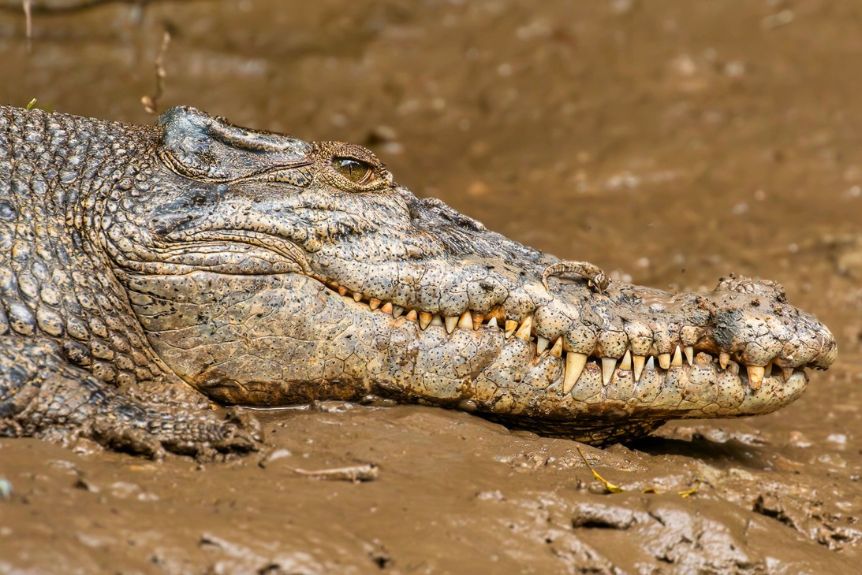
Living alongside crocodiles requires awareness and respect. Their behaviour is instinctive, shaped by millions of years as ambush predators, and they can pose a real danger to people who enter their habitat without caution. Being Crocwise is essential in northern Australia’s waterways.
Across Far North Queensland, several organisations are helping people better understand and safely appreciate these remarkable animals. CROC QLD, Solar Whisper Wildlife Cruises, Hartley’s Crocodile Adventures and Wildlife Habitat, to name just a few, all play important roles in education, conservation and responsible wildlife experiences. By fostering respect and awareness, they help shift the narrative from fear to understanding.
Crocodiles belong to an ancient lineage that stretches back more than 200 million years, surviving through enormous changes to the planet. The continued presence of Estuarine Crocodiles in our rivers and wetlands is a sign of a functioning ecosystem, one that is still wild, complex and worth protecting.
Fun Facts About Estuarine Crocodiles / Salties
- Ancient Lineage: Crocodiles belong to an evolutionary lineage stretching back more than 200 million years.
- Largest Living Reptile: The Estuarine Crocodile is the biggest reptile on Earth.
- Fresh and Salt: They can live in both freshwater and saltwater environments.
- Built for the Water: Crocodiles can hold their breath for long periods, especially when resting underwater.
- Efficient Heart: Unlike most reptiles, crocodiles have a four-chambered heart, helping them use oxygen efficiently while submerged.
References
- Photos courtesy of Solar Whisper Wildlife Cruises
- Queensland Government – Estuarine crocodile
- Australian Government – Crocodylus porosus species profile
- Australian Museum – Estuarine Crocodile
- CROC QLD
- Hartley’s Crocodile Adventures
- Wildlife Habitat Port Douglas
Want more good Rainforest news in your life?
Subscribe to our eNews | Follow us on Instagram | Like us on Facebook | Subscribe to our YouTube channel
Help Protect Rainforests Forever
Donate to Protect Rainforests Forever | Become a Rainforest Guardian | Partnership Options