
Seeds of the Tropics: Rainforest Rescue at APCC15
In late August, plant conservation came to our doorstep.
The 15th Australasian Plant Conservation Conference (APCC15) was held from 24 to 28 August 2026 at the Port Douglas Community Hall, hosted by Plant Conservation Australia and the Australian Tropical Herbarium.
This biennial conference is the premier event in Australia for discussing native plant conservation issues, and this year it ran under the theme “Plant Conservation: Culture, Collaboration and Change”, exploring native plant recovery through partnerships and collaborations with Traditional Owner groups.
The week opened with a Welcome to Country from Eastern Kuku Yalanji and Yirrganydji Traditional Custodians, the official launch of Plant Conservation Australia, and a keynote from Ro Hill reflecting on five decades of conservation work protecting the Daintree lowlands.
Rainforest Rescue was proud to be part of it from the ground up, with our Biodiversity and Nature Impact Lead, Marine Deliens, serving on the organising committee.
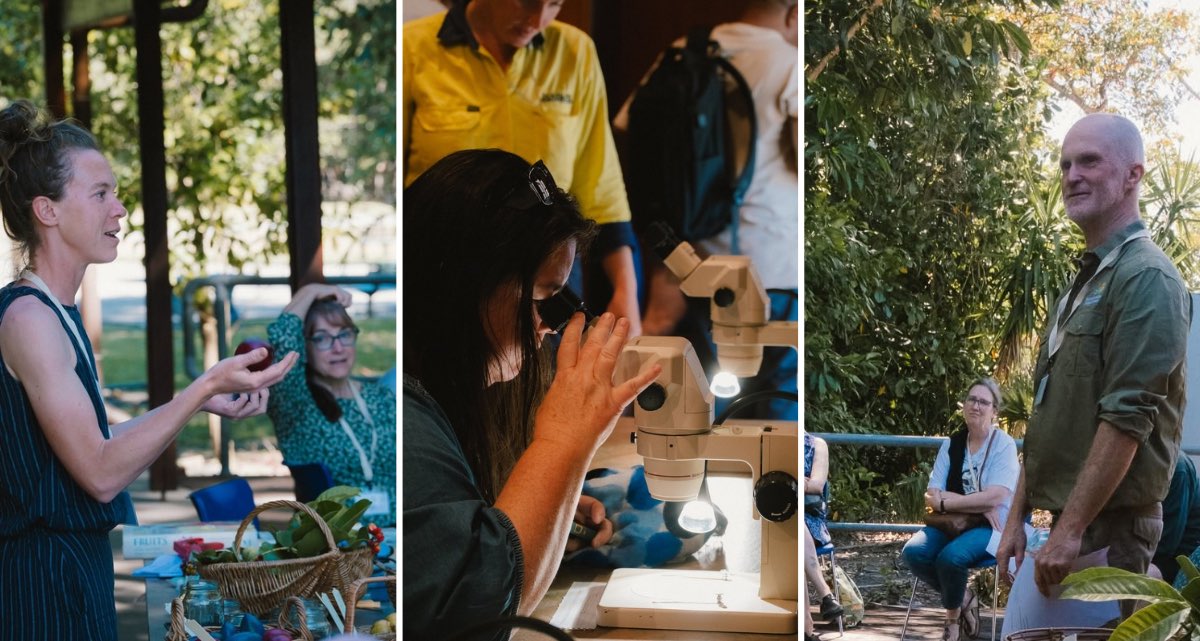
Images courtesy of Plant Conservation Australia
From Seed to Future Forest
Before the main program began, we joined forces with some of the country’s leading seed conservation experts to deliver a workshop on Native Seed Collection and Storage in Tropical Australia.
The workshop was sponsored by the National Seed Bank, Australian PlantBank, Rainforest Rescue and the Millennium Seed Bank, and presented by Tom North, Karen Sommerville, Marine Deliens and Aisyah Faruk.
Each brought decades of experience to the room.
Tom North is Curator at the National Seed Bank at the Australian National Botanic Gardens, leads its collecting program, and has worked in seed banking since 1997.
Karen Sommerville is a Rainforest Conservation Scientist at the Australian PlantBank, where she leads the Rainforest Seed Conservation Project, which works out which Australian rainforest seeds can be stored long term in a seed bank and develops alternatives such as cryopreservation for those that cannot.
Aisyah Faruk is a Conservation Partnership Coordinator for Oceania and Europe with the Millennium Seed Bank Partnership at the Royal Botanic Gardens, Kew.
Around 30 participants joined us from across the Wet Tropics and beyond. Together we worked through field collection methods, the particular challenges of storing tropical rainforest seeds, and the seed collection work Rainforest Rescue carries out to supply restoration projects in the Daintree.
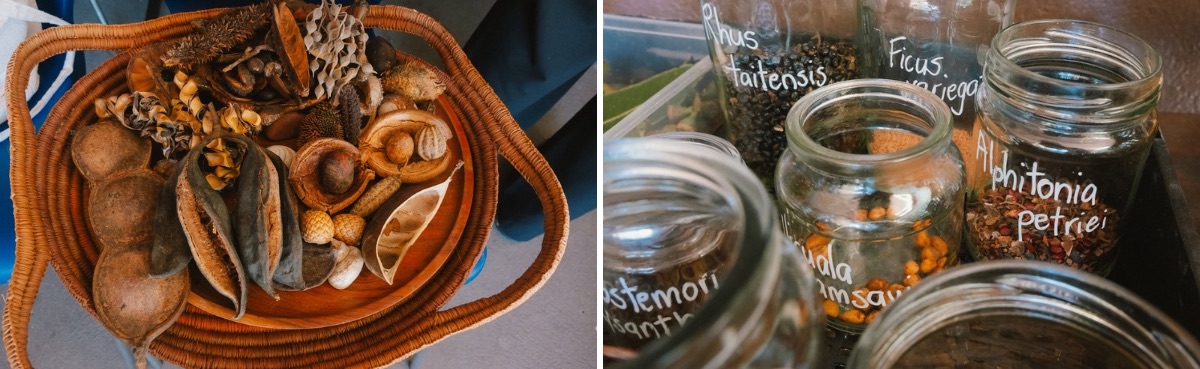
Images courtesy of Plant Conservation Australia
Growing Knowledge, Growing Connections
For Rainforest Rescue, APCC15 was an opportunity not only to share what we’ve learned, but to learn from others working towards the same goal.
Tropical rainforest seeds present particular conservation challenges, and understanding how to collect, handle and store them is essential to protecting the extraordinary plant diversity of the Wet Tropics.
Bringing scientists and on-ground practitioners together helps turn research into practical knowledge—and strengthens the partnerships that make long-term conservation possible.
We’ll continue building those collaborations, and we hold onto a bigger hope too: that one day the Wet Tropics will have a seed bank of its own.
Want more good Rainforest news in your life?
Subscribe to our eNews | Follow us on Instagram | Like us on Facebook | Subscribe to our YouTube channel
Help Protect Rainforests Forever
Donate to Protect Rainforests Forever | Become a Rainforest Guardian | Partnership Options