We spoke up on the Far North Queensland Regional Plan. Here’s why.
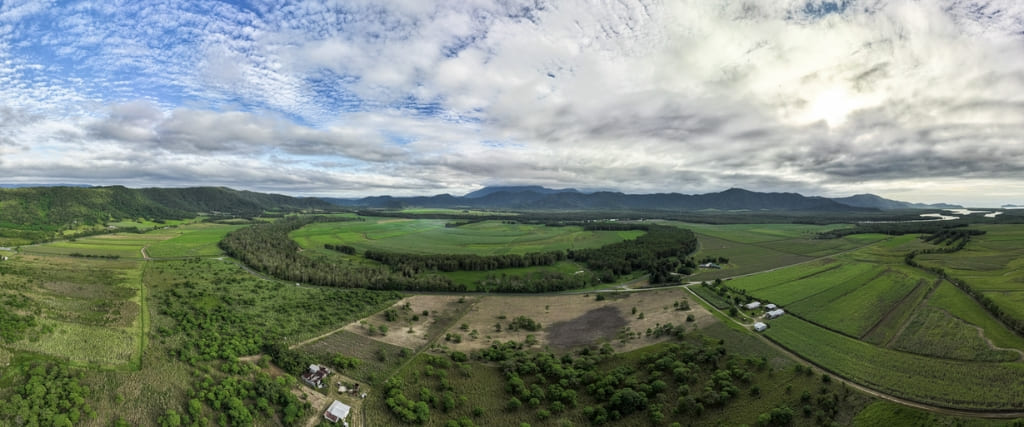
The Daintree River’s floodplains are lowland areas of competing priorities © Martin Stringer
At the end of 2025, Rainforest Rescue was involved in something that rarely gets much attention but quietly shapes the future of places we cherish: the review of the Draft Far North Queensland Regional Plan 2025, led by the Queensland Government.
Regional plans don’t make headlines. But they matter. A lot.
They set the long-term rules for how land is used—what’s protected and what’s not, what’s able to be restored, and what we assume will just keep going as it always has.
Why this matters for the Daintree
For the Daintree, this plan lands at a moment of real change.
Sugarcane is gone. The mill is closed. More than one farmer has told us, “Cane is dead.”
Much of the region’s low-lying floodplain is increasingly affected by flooding and storm tides. At the same time, there’s growing recognition of just how important wetlands and mangroves are, not just for wildlife, but for communities as well as the iconic Great Barrier Reef.
The Lower Daintree floodplain includes a wetland of national importance, sitting right alongside one of the world’s most biodiverse mangrove systems. Together, when they were healthy and vibrant, these landscapes diligently did essential work: filtering water before it reaches the reef, buffering floods, storing carbon, supporting fisheries, and providing habitat for an extraordinary range of species. While the mangroves are still doing their job, the wetland has been cut off, drained and is relegated to marginal swamp and boggy land that has been hard work for cane farmers for decades.
How the Regional Plan responds to these realities will either unlock restoration and resilience—or lock us into a “business as usual” mindset that no longer makes sense.
This isn’t about stopping development. It’s about putting the right land uses in the right places, based on evidence, climate risk and long-term benefit.
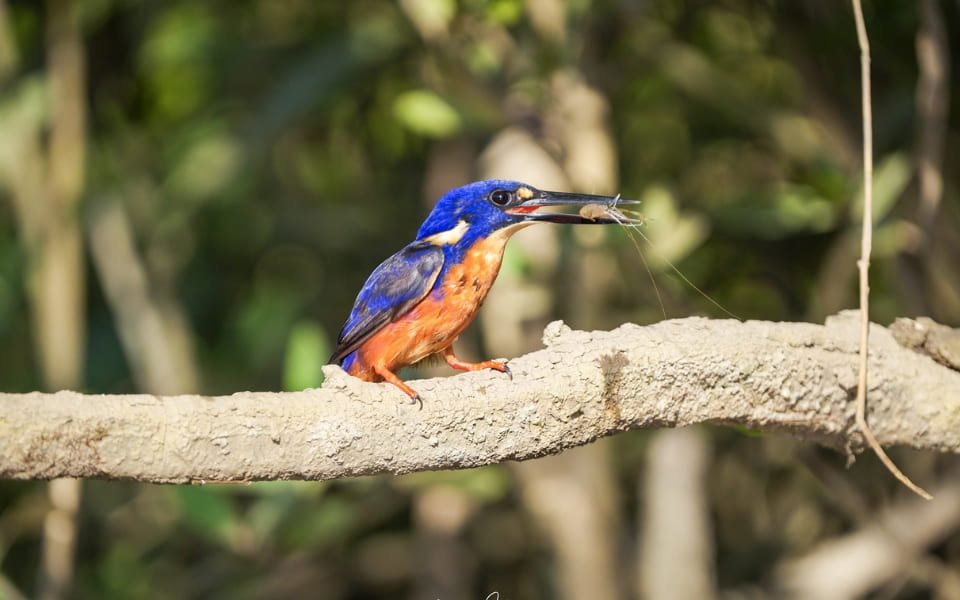
Appropriate land use benefits native wildlife and the habitats they require to thrive in. © Martin Stringer
What we did
Rainforest Rescue made a formal submission to the Draft Plan, backed by detailed mapping and independent expert advice.
In plain terms, we asked for three things:
- Honesty about land use reality: some floodplain land is no longer viable for agriculture, and planning needs to reflect that.
- Recognition of wetlands, lowland forest and mangroves as assets, not leftovers.
- Clear support for restoration-led futures, including the Plan’s proposed Strategic Rehabilitation Areas, in places where restoration makes the most sense.
This isn’t about stopping development. It’s about putting the right land uses in the right places, based on evidence, climate risk and long-term benefit.
Why this matters beyond us
This Regional Plan review engaged dozens of organisations across Far North Queensland, from Traditional Owner groups to Natural Resource Management bodies, councils, conservation organisations and people working on the ground in restoration and nature-based livelihoods.
Many raised similar concerns and opportunities. That tells us something important: this isn’t a fringe view. There’s a shared understanding that the region is changing, and planning needs to change with it.
What happens next
The Government will now review submissions and finalise the Plan.
We don’t yet know what will be adopted. But showing up matters. These plans shape decisions for decades, and they’re shaped by who takes the time to engage and speak up for the long term.
That’s what we’ve done here, for the Daintree, its complex lowland forest, wetlands and mangroves, and a future where restoration is part of the answer.
We’ll keep you posted as this unfolds.
Want more good Rainforest news in your life?
Subscribe to our eNews | Follow us on Instagram | Like us on Facebook | Subscribe to our YouTube channel
Help Protect Rainforests Forever
Donate to Protect Rainforests Forever | Become a Rainforest Guardian | Partnership Options