The mosaic of the Daintree Oxbow.
“If you’re into the rainforest, then this would be the ultimate rainforest.”
From the frontline of Rainforest Rescue.
From the frontline of Rainforest Rescue.
A special Q&A with Ariel Simon, Land Manager, Oxbow Project.
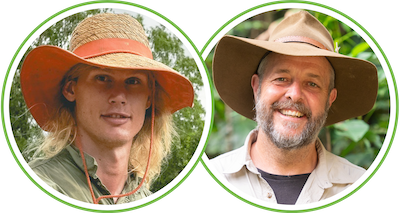
Many supporters have reached out to our team, curious to know more about the Oxbow project, and in particular, how this restoration will actually work. With that in mind, we wanted to share a conversation that Ariel and our CEO Branden had recently which we hope you’ll find informative and inspiring.
Ariel is the Land Manager at the heart of our revolutionary Oxbow wetland forest project, turning the vision into reality on the ground. His insights reveal the unique challenges and scale of this remarkable work. As our Land Manager, Ariel has the first hand understanding and experience to make this mosaic of habitats come back to life.
In a landscape as diverse and dynamic as the Daintree, you’re never far from a feeling of wonder. The beauty is breathtaking, of course. But there’s also something else that fills Rainforest Rescue’s team with awe—what’s possible next.
That’s why we really need your help.
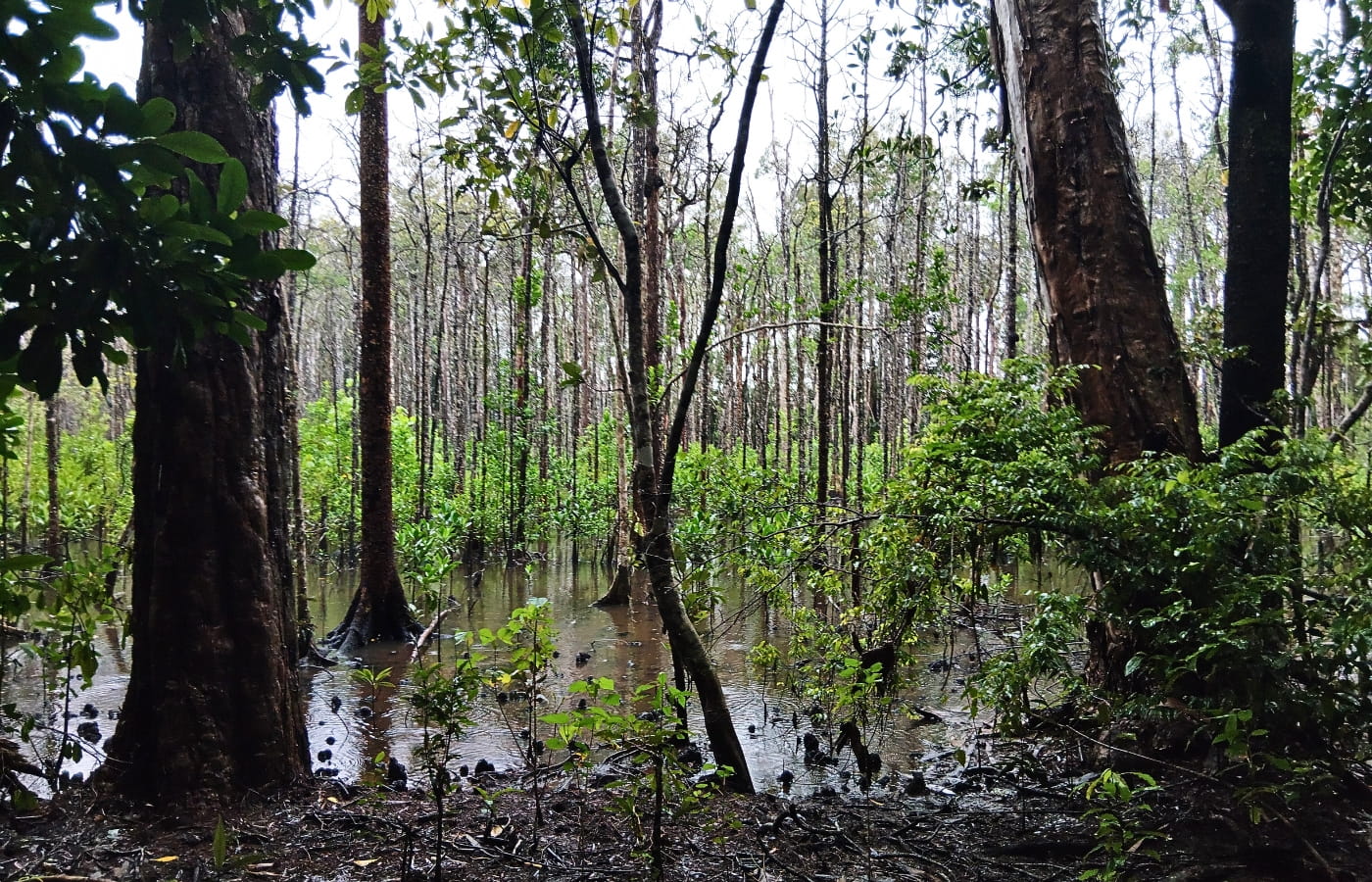
The Oxbow is a collection of properties that are all valuable ecologically, individually, and as an entire restoration project.
Q: Can you explain what the Oxbow project is?
A: This is a really interesting project overall. The Oxbow is a collection of properties that are all valuable ecologically, individually, and when considered as an entire restoration project. The actual Oxbow is a hydrological feature within the Daintree River Delta Valley.
The work we’re aiming to do is involved with the Oxbow wetland itself, as well as the surrounding former agricultural land. It’s a multi-dimensional project that connects the mangrove system, the river system and the degraded permanent wetland that’s surrounded by sugarcane plants. There are a lot of interconnected, but very different ecosystems all in this one spot.
Q: What makes these different habitats so special?
A: This is a project of unprecedented scale, scope and complexity. On one hand, we’ve got a mixture of pellita closed forest, and endemic rainforest that is surrounded by sugarcane plants. Plus, these interconnected river and wetland systems feed into the Daintree River. These are all very different but important ecosystems that need restoration don’t think there is a project scope like that in the country.
If we can bring all of these very important habitats back and connect them, we can get this wetland forest ecosystem rejuvenated which will have a big impact on the area as a whole.
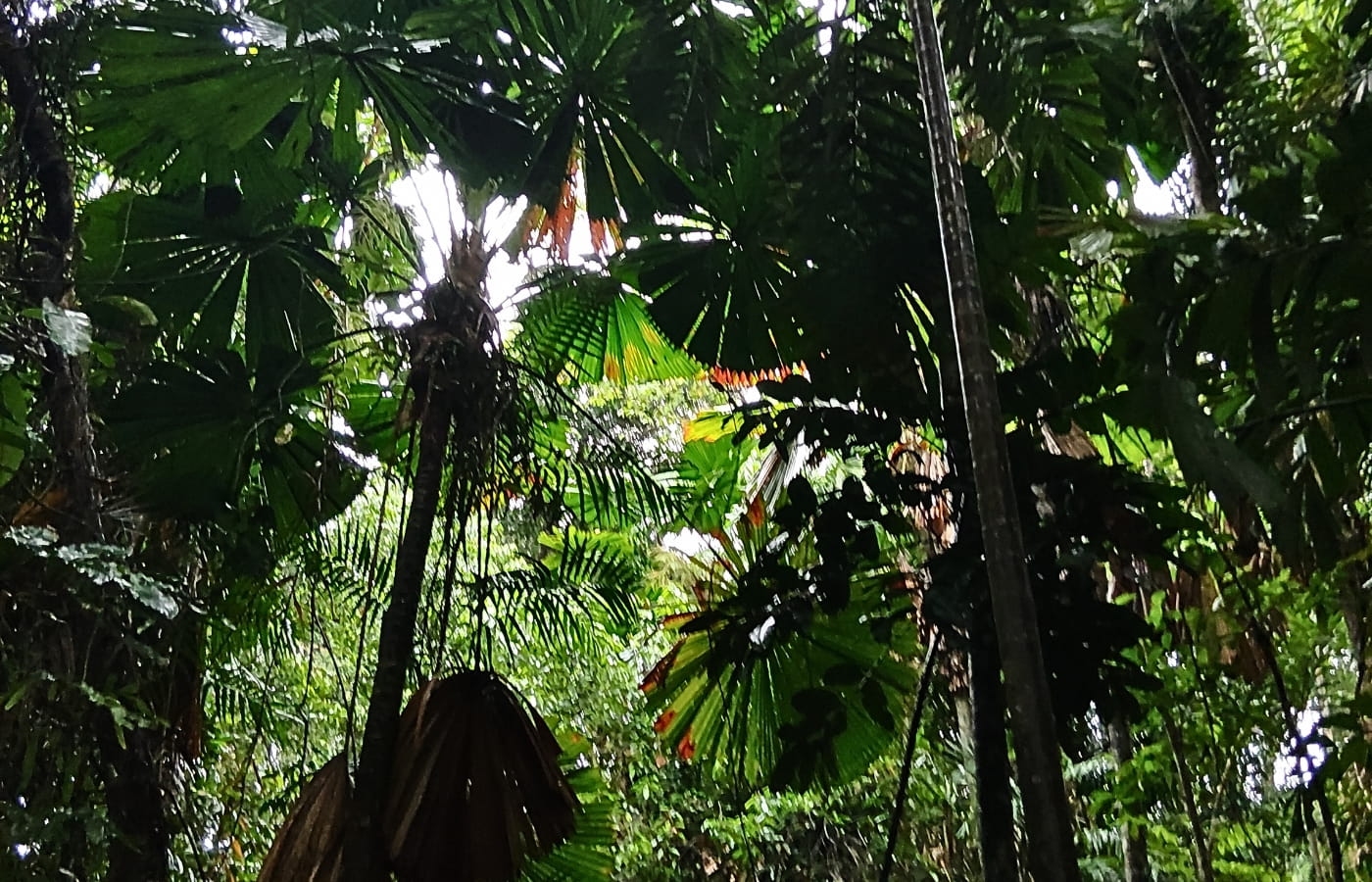
This is remnant rainforest in the Oxbow area. There are pockets of this throughout the site.
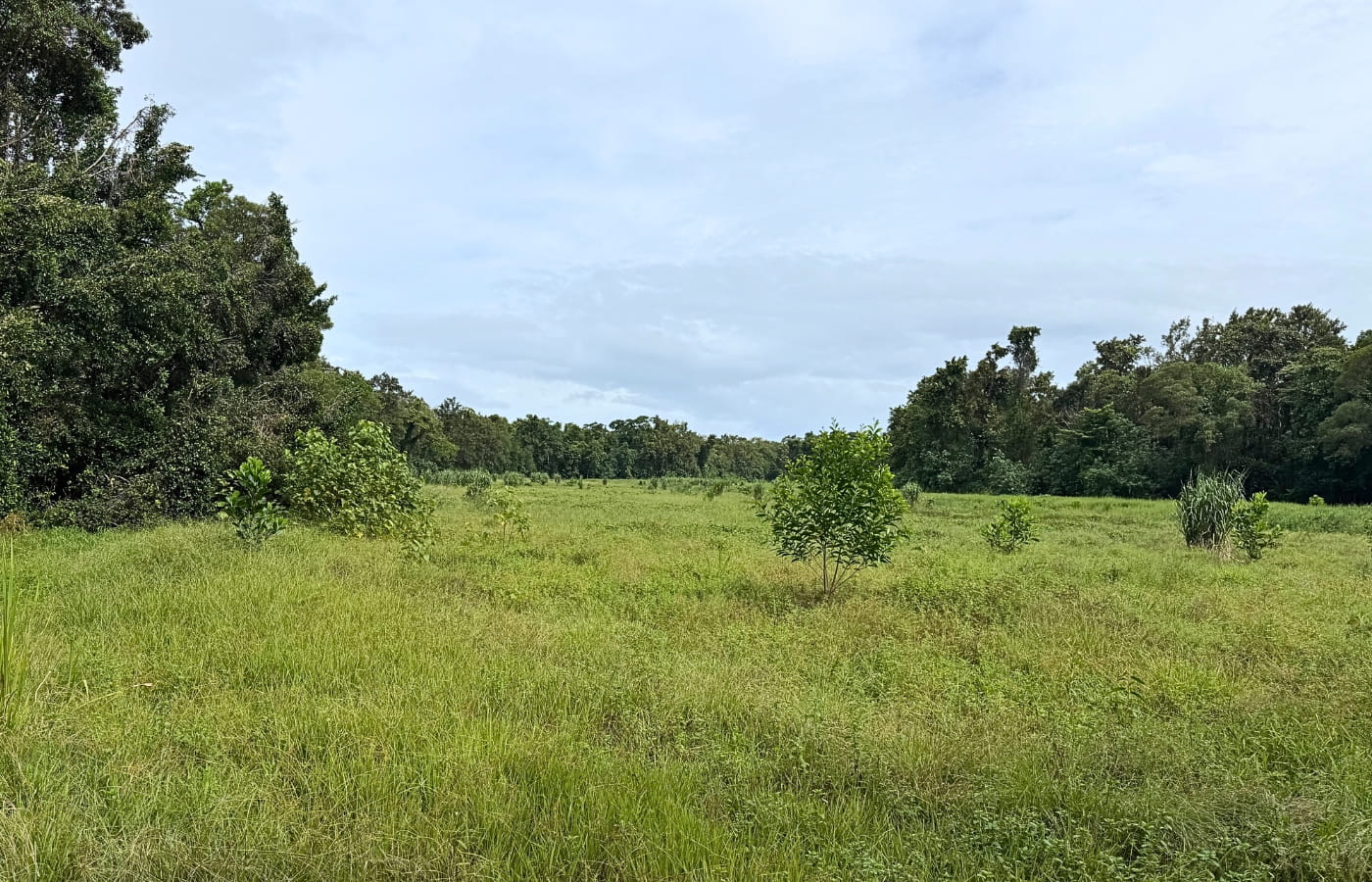
Invasive grass as far as the eye can see…
Q: What are the key challenges you’re facing in this unique landscape?
A: The Oxbow wetland has been heavily modified by agriculture over the decades, so it’s had a lot of hydrological manipulation. Over time, it means that the wetland has become completely filled with invasive aquatic grasses. But they can’t survive in a saline environment.
Once we’ve restored the natural tidal balance, it will kill the grass that’s choked out the wetland which will have massive benefits to the Daintree River.
But doing work at that scale, determining exactly the order of things when doing hydrological manipulation is a unique challenge. Once we’ve done that ecological restoration work, we’ll be helping nature and I expect that it will roar back.
Q: How long will the Oxbow project last?
A: This is a long-term project. It’s on a scale that does affect multiple properties and will involve multiple landowners. At the moment we’re really taking our time. We’ve got a pretty complicated technical analysis going on, and some incredibly competent ecological scientists helping us to understand the hydrology and its impact.
We’ve also got the sea level rise to factor into all of this. Whether people want to admit it or not, the sea level is going to be rising in the coming years.
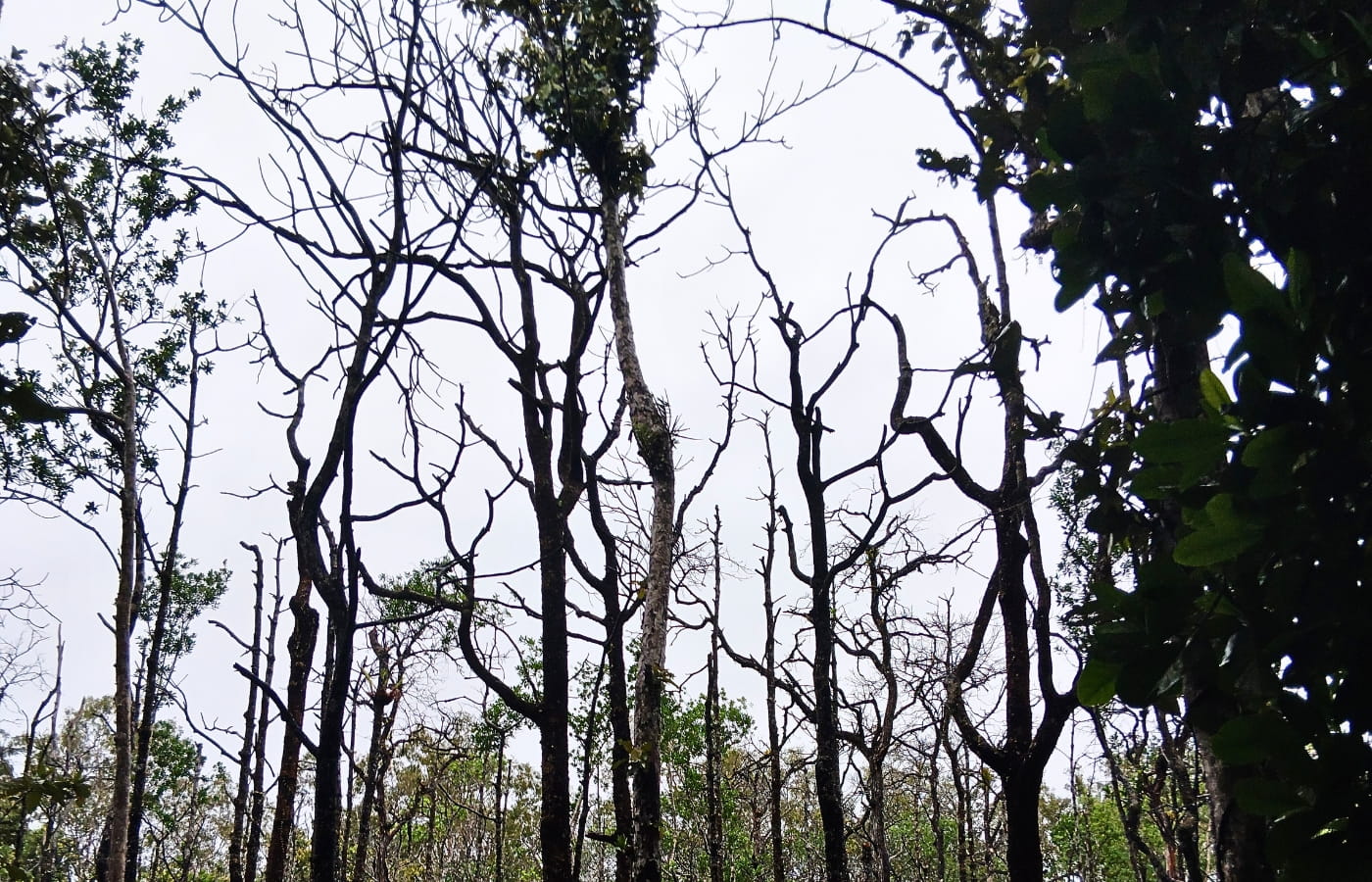
These damaged mangroves are the result of hydrological changes after Cyclone Jasper.
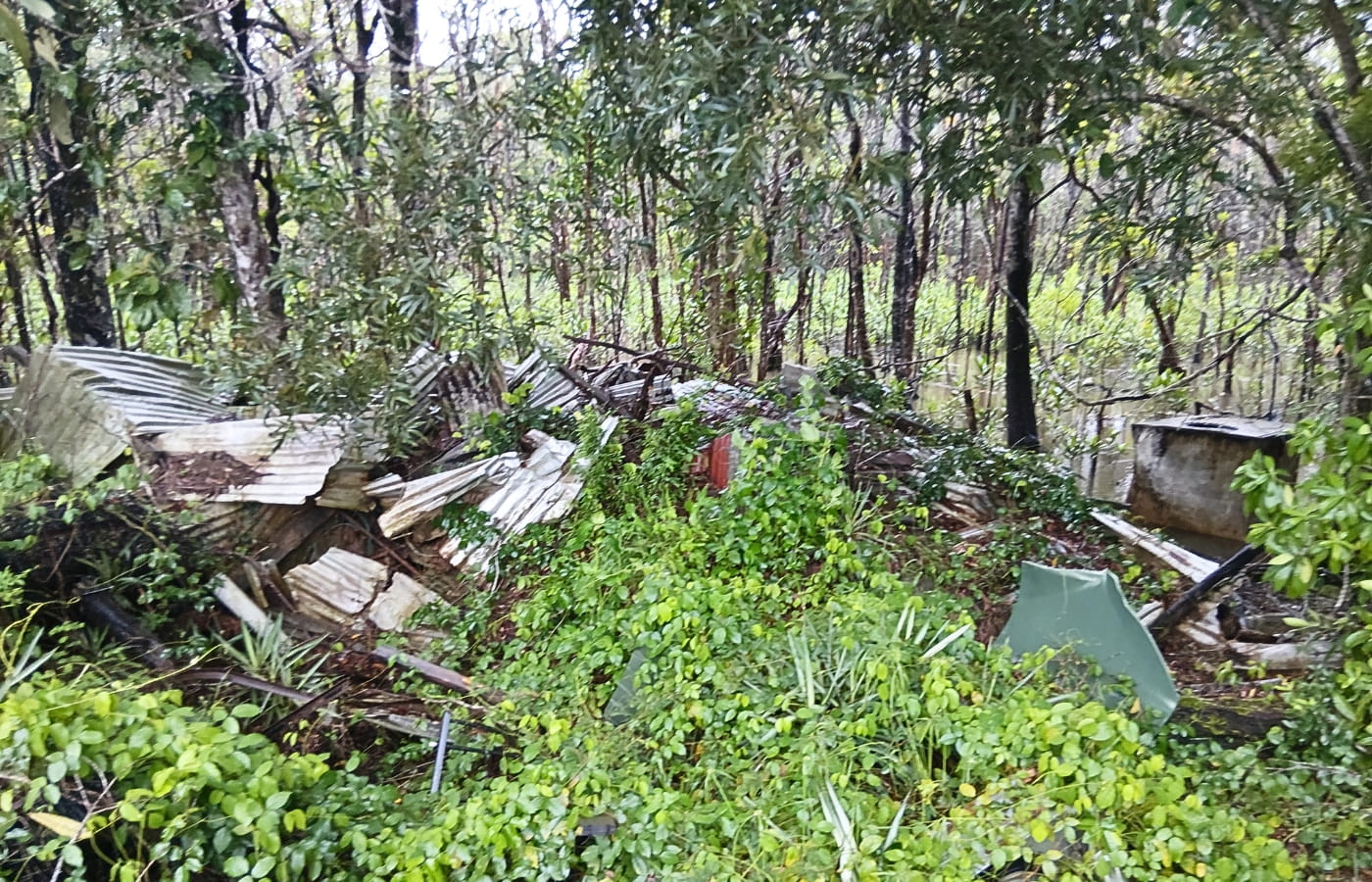
Discarded rubbish; note the mangrove system in the background.
Q: What are the technical difficulties of working in such a diverse ecosystem?
A: Between the terrestrial restoration and wetland restoration, we’ve got two different things to consider. With terrestrial tree planting, our challenges are definitely soil related. We’ve got various different substrates and a very complicated geology. There’s a lot of alluvial sediment deposits and as we’re about two metres above sea level, we’ve got very impeded drainage in a lot of areas.
Q: How do you rebuild nutrients in an ecosystem of poor soil?
A: Rainforests grow on mulch. So when you cut down the rainforest, there’s no biomass left to recycle. We’re starting from scratch with added invasive species, metres of annual rainfall and blazing sun coming down and drying the whole place out.
We need to act as quickly as possible by shading out the site and then selecting the right species of plant that can handle the conditions. They’ll start producing their own biomass, and then kickstart the whole soil mulch into the restoration equation. Once we remove the competitive advantage of the grasses and the sugarcane, and tip the balance back in the forest’s favour, the forest will thrive.
Invasive grass as far as the eye can see…
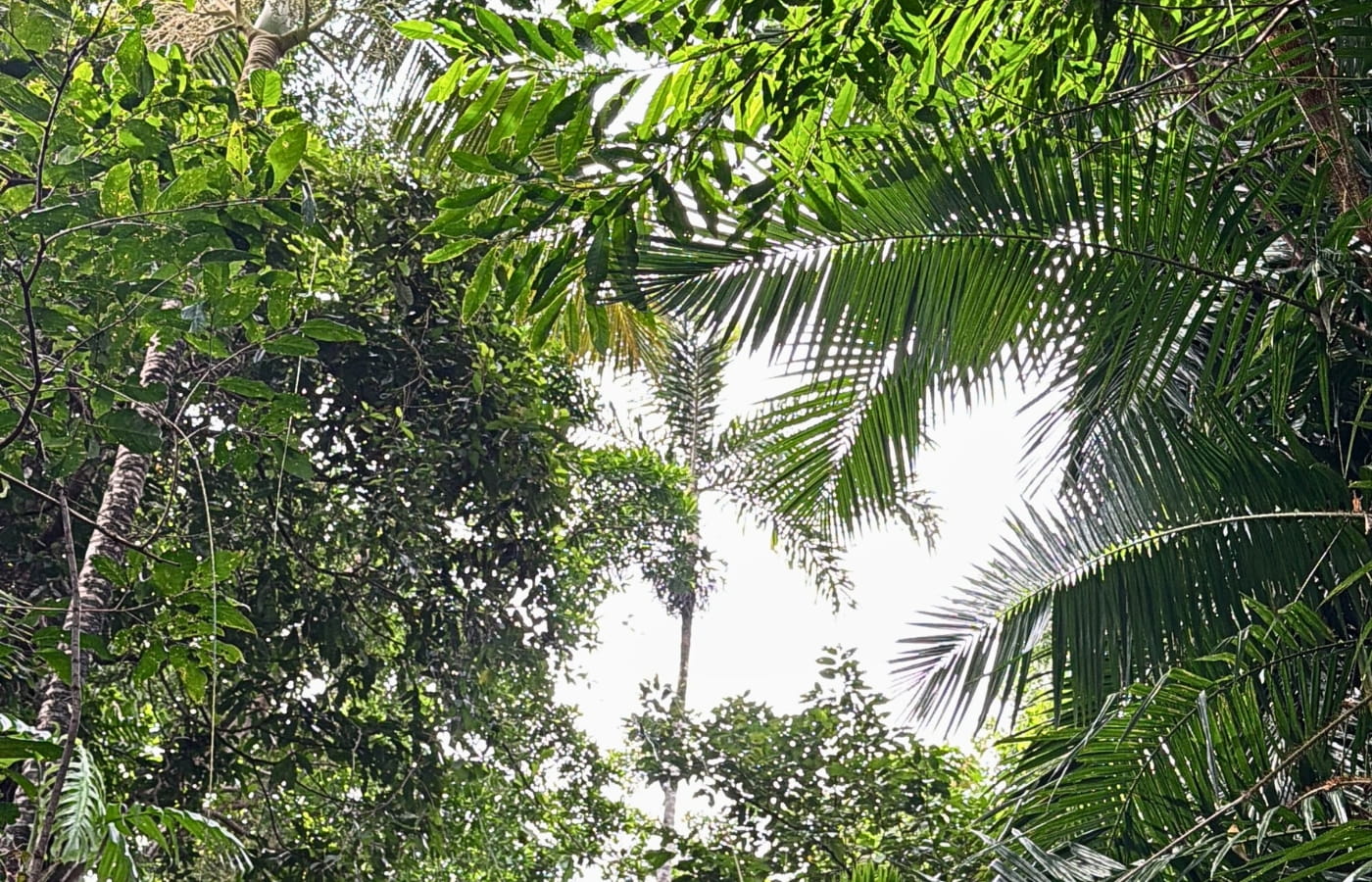
In this environment, fast growth creates the right canopy to crowd out invasive species.
Q: What excites you most about this project?
A: To be able to do such a complex landscape restoration project, is exciting. I mean, just consider how unique this ecology and restoration is; we’ve got a wetland located right next to the Daintree river, which is an important mangrove system in itself, which runs into the Great Barrier Reef—it doesn’t get better than this—and that’s special.
Plus, we’ve got a range of these incredible forest types all in the one spot, all physically connected to each other and which will create a truly unique and biodiverse place.
The legacy we create is going to be unbelievable.
Be part of that legacy.
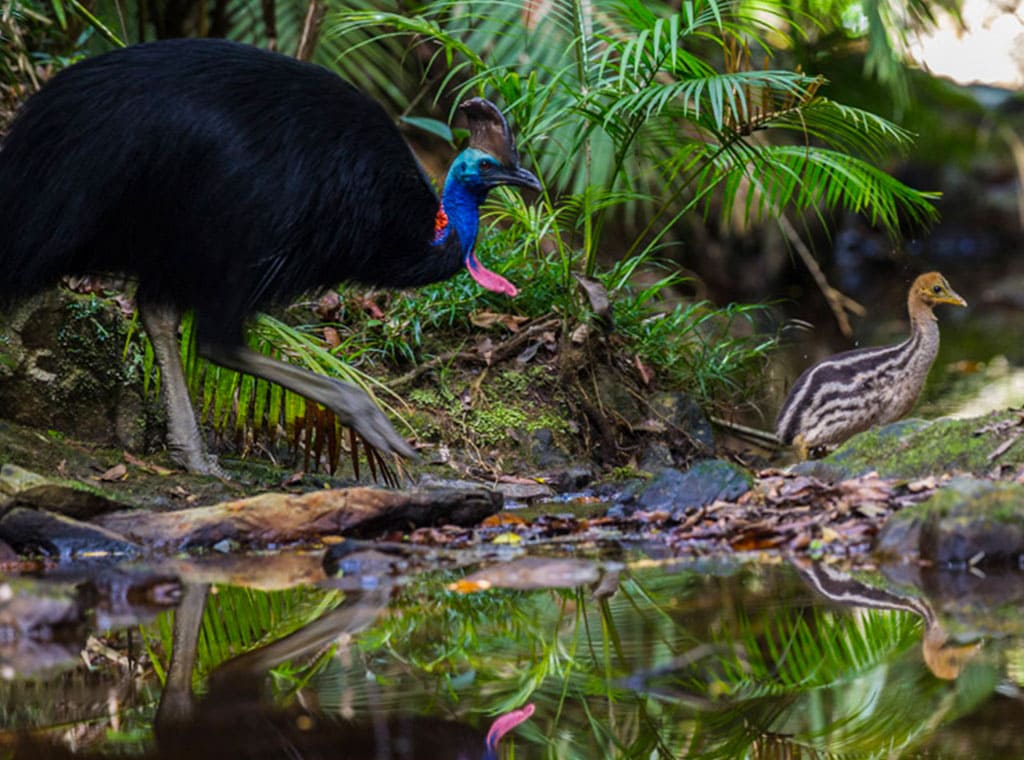
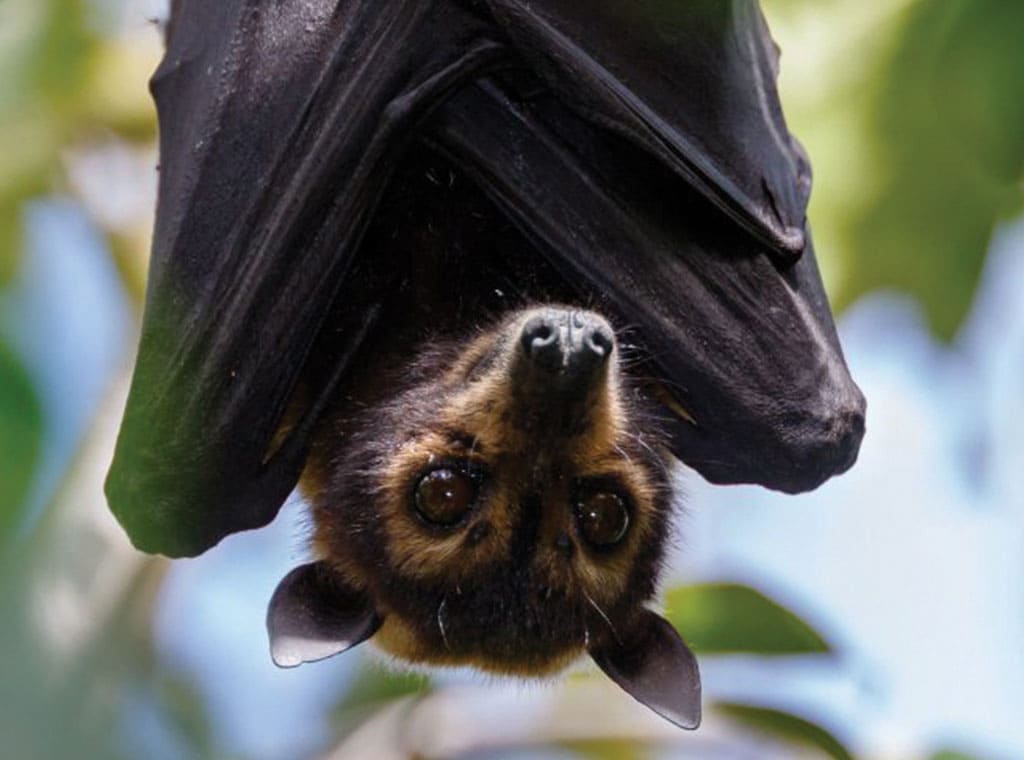
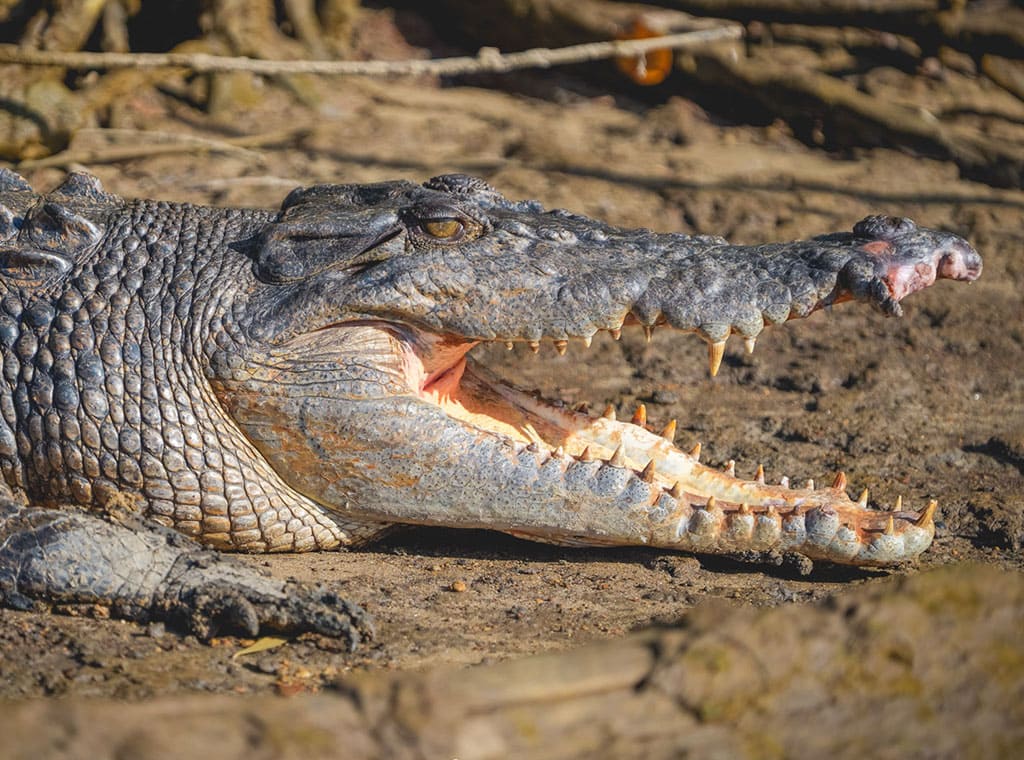
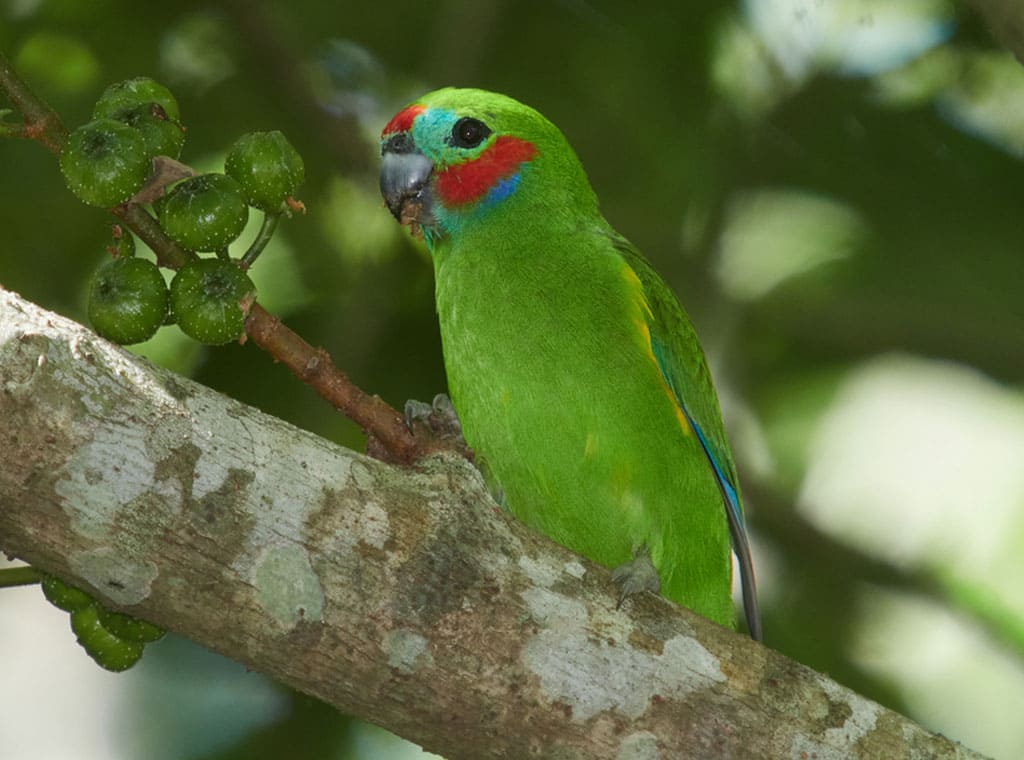
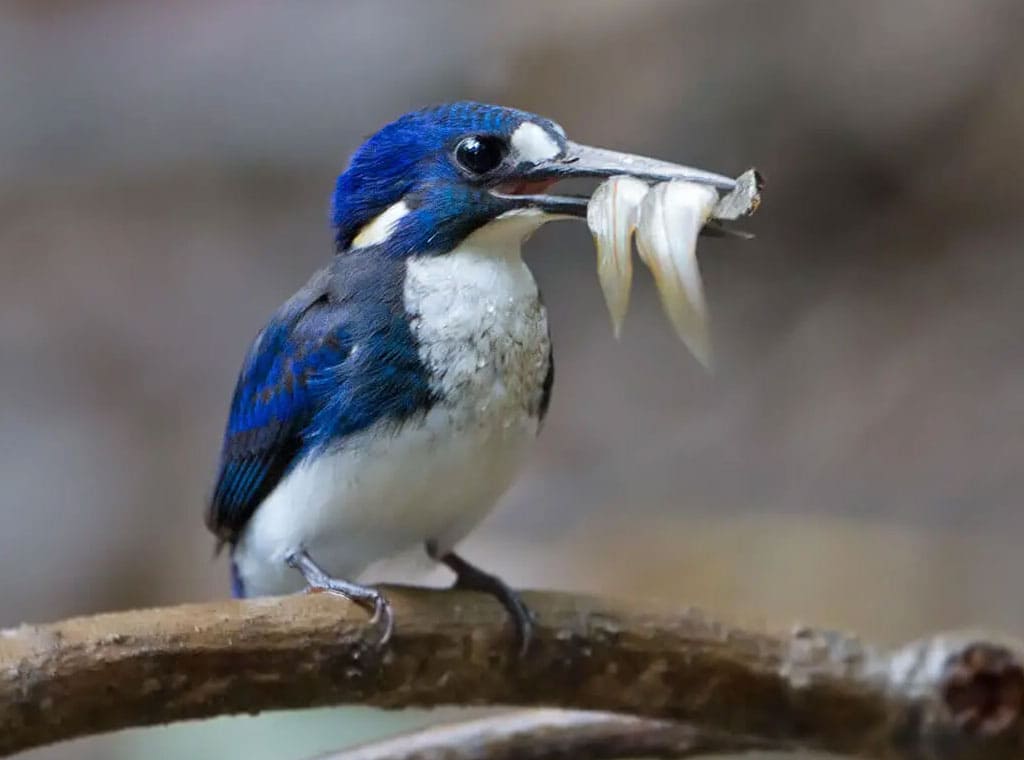
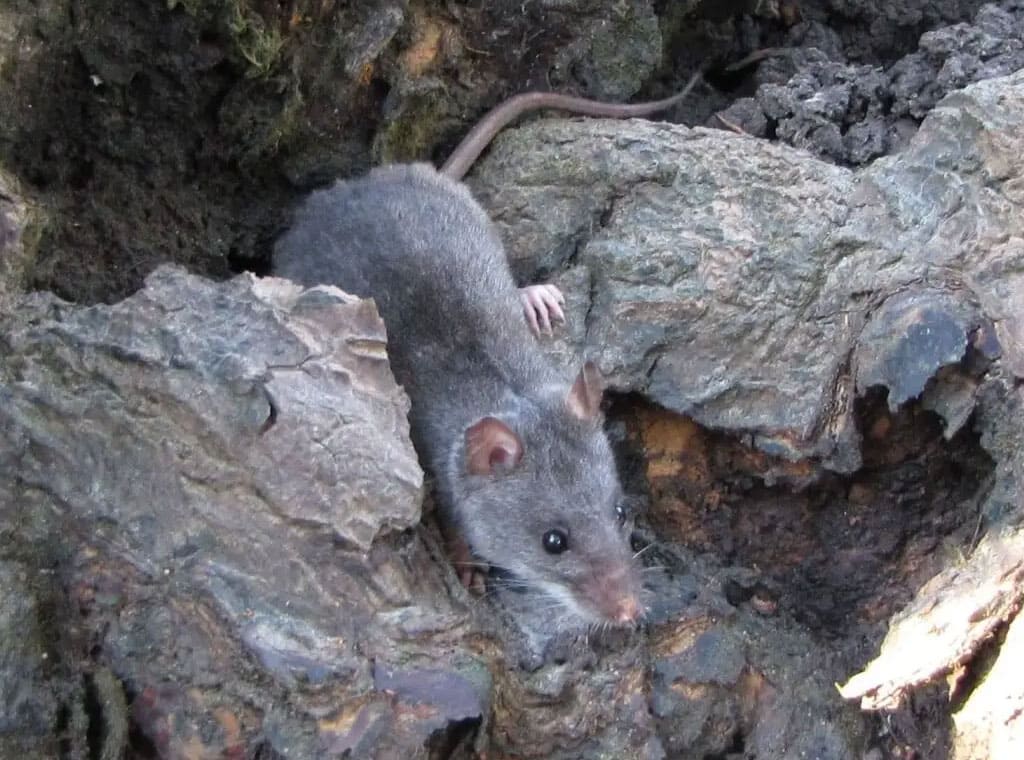
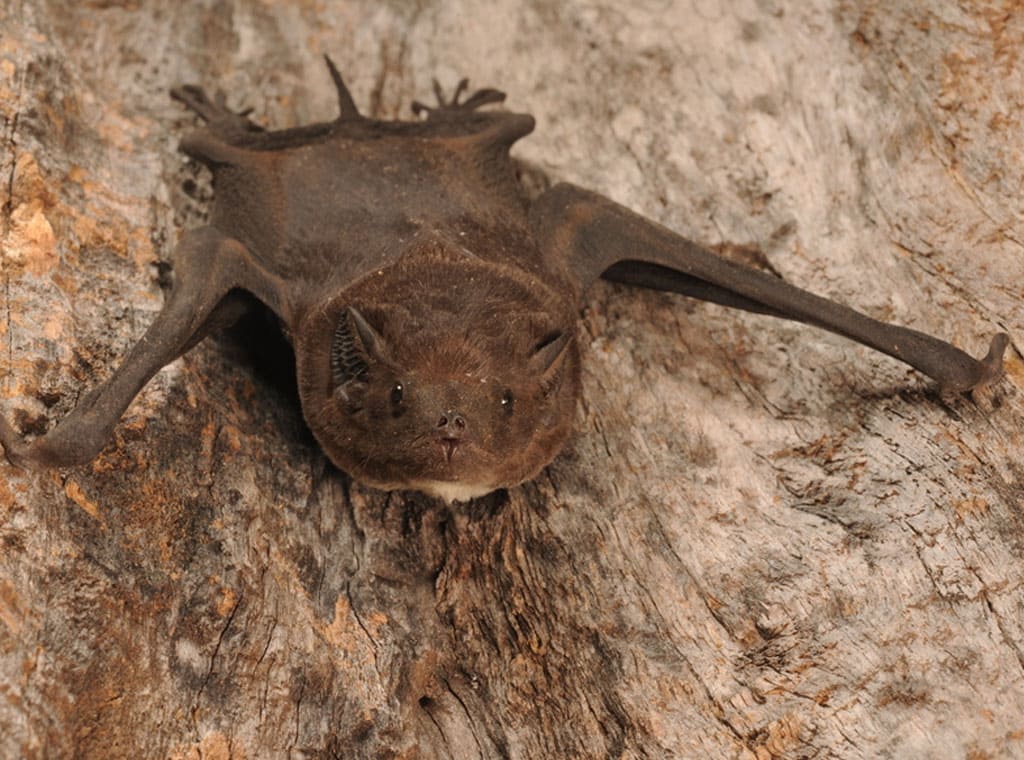
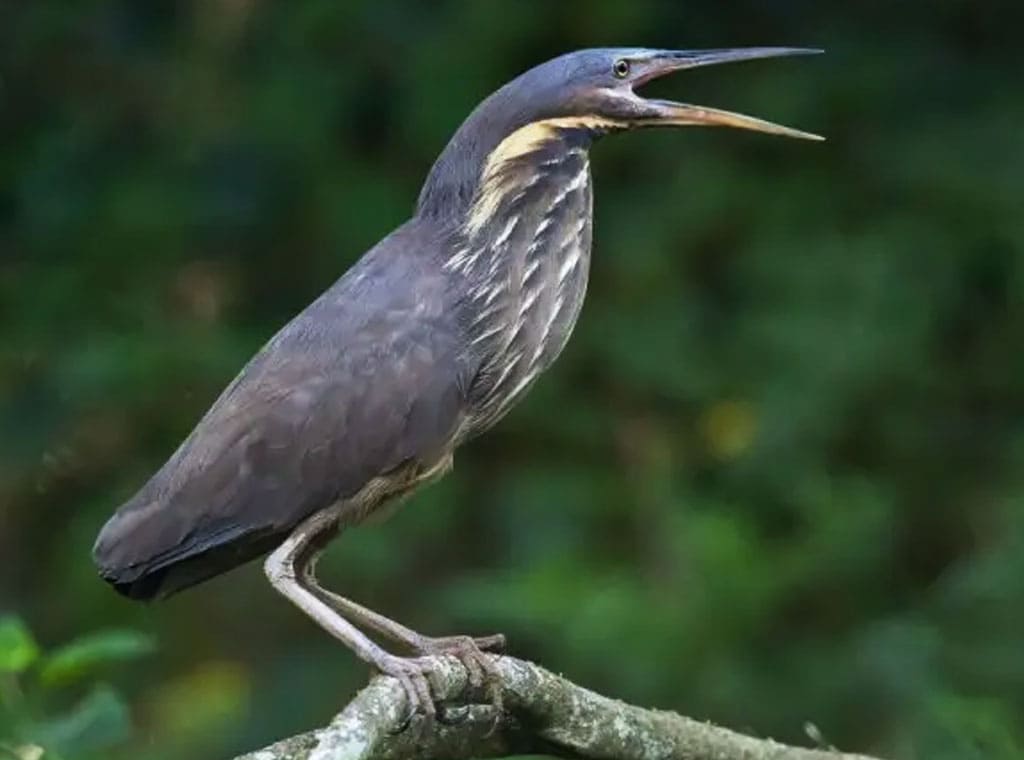
Many native species will benefit—but only if we can protect and restore this mosaic of habitats.

Image credits & copyright: Martin Stringer; KazRedRacer; Martin Stringer; Lindsay Popple; JJ Harrison; John Atkinson; Threatened Species Australia; JJ Harrison.
We are part way there, we must keep momentum to make this happen.
In 2025, Rainforest Rescue began to tackle the most ambitious restoration project in our organisation’s history. With your help, we have committed to bringing a damaged tract of agricultural wetland back from the brink, one block at a time.
Our agronomist has formally assessed this land as unsuitable for agriculture. The local sugar mill closed. The cane transport arrangement that replaced it has now also collapsed. The floods keep coming. And yet the shire still has this land zoned as quality agricultural land — the system hasn’t caught up with the reality on the ground. The farmers know it. We know it.
Right now, while this land is available and the people who own it want to see it returned to nature, we have a real chance to act. That window won’t stay open for long.
We are sure you know that across the globe biodiversity is in steep decline. Since 1970, global wildlife populations have fallen by nearly 70%, with freshwater species suffering an even sharper drop of more than 85%. Far too many wetlands and rainforests—two of the most biodiverse and interdependent ecosystems on Earth— have been drained, cleared, and fragmented.
But this story of environmental degradation does not have to end this way.
Whilst the life that was once part of the Oxbow has gone quiet, restoring it and the surrounding floodplain is not only possible; it is essential. Everything Ariel describes — the hydrological work, the terrestrial restoration, the reconnection of mangroves to rainforest — depends on us acting as soon as possible.
The land is available now. Your contribution moves us closer to securing it.

PURCHASED PROPERTIES
It’s in our nature to protect. With the help of Rainforest Rescuers – people like you – we are significantly protecting pristine habitat for Nature and achieving strong wins for biodiversity. Visit our Protection Portfolio page for a full list of properties protected by Rainforest Rescue since 1999.